
Your Back Is Fine All Day. Then You Lie Down.
Sixteen hours up, you're okay. Four hours flat, it's bad. That flip is the clue. Here are 10 things that finally explain it.
You get through the day fine. You sit. You work. You walk around. Your back holds up.
Then you lie down. A few hours later you're awake, and it hurts. After a whole day of being fine.
Here's the strange part. Rest is supposed to help. Lying down is rest. So why does lying down make it worse?
That question is the whole thing. It has an answer. Almost nobody says it out loud.
One thing first. Does your back hurt just as much at 2 in the afternoon as it does at 2 in the morning? Then stop here. This isn't your problem, and I won't pretend it is.
Still with me? Is your back fine all day and bad only when you lie still? Then reason #1 is where it starts to make sense.
Read reason #1 ↓"I finally get why it only happens at night."
As featured in






It's Not Random. That Flip Is the Whole Clue.
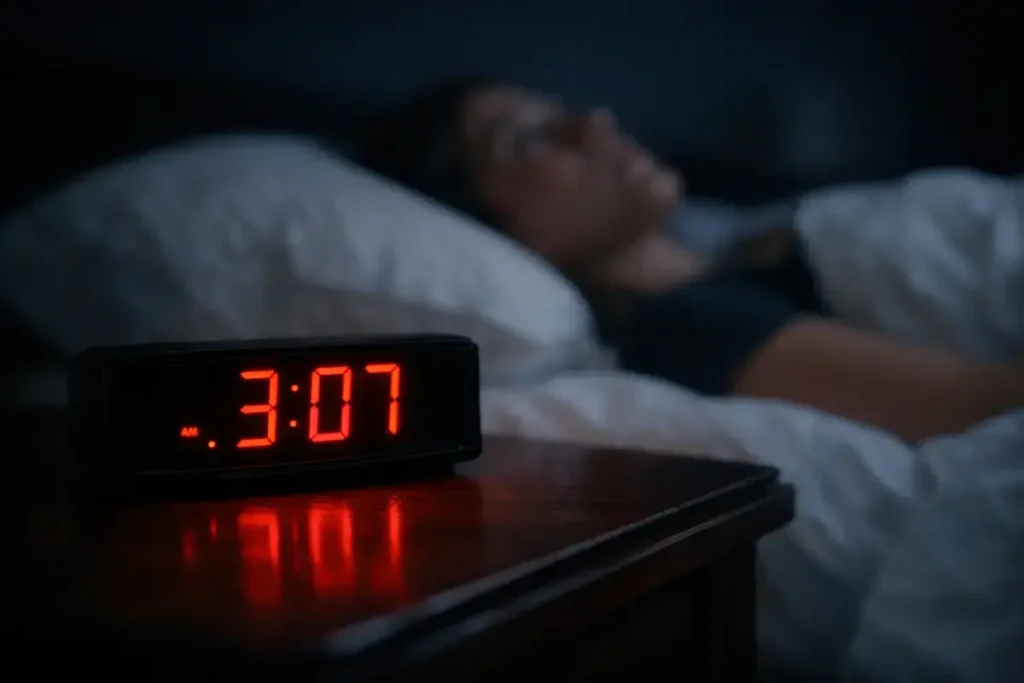
Most people say it the same way. Fine all day. Bad only when I lie down. Normal until the middle of the night. Then it wakes me around 3, and I can't get back to sleep.
You've probably told a doctor that, and watched them shrug it off.
It's not nothing. It's your most useful clue.
Think about it. A real problem with a disc or a joint hurts when you use it. Bending. Lifting. Sitting too long. It gets worse the more you move.
Yours does the opposite. Yours waits until you stop moving. Until you're lying still. Then it starts.
That's not how damage acts. That's how something else acts.
The clue everyone walked past is simple. Stillness sets it off, not movement.
Reason #2 is what that clue points to.
Show me why it only happens at night →Why 16 Hours Up Is Fine and 4 Hours Flat Is Not
Here's a theory that fits everything you've told me.
All day, you move. You don't even think about it. You shift in your chair. You stand. You sit back down. You reach. You walk to the kitchen.
Every little move tells your back muscles to let go and reset. You're never still long enough for the tension to pile up. Your own movement keeps clearing it out. That's why the day is fine. Not because nothing is wrong. Because you keep resetting it all day.
Then you lie down.
For the first time all day, the moving stops. You're still. Nothing tells those muscles to let go. Letting go happens when you move, and there's no movement now.
So the tension doesn't clear. It just sits there. It builds over three or four hours of lying still. It keeps building. Until it goes from "I don't notice it" to "I'm wide awake and I have to get up."
Watch what you already do. You get up. You walk. It fades. You lie back down. A couple hours later, it's back.
You've been running this test for years without knowing it. Movement clears it. Stillness brings it back. That's the tell.
Call it the stillness trap. Lying still is the one time all day when nothing tells your back to let go.
No lab can hand you a slip for this yet. It isn't proven. It's just the first thing that fits the pattern you live every night.
Try Lantern Rest tonight →

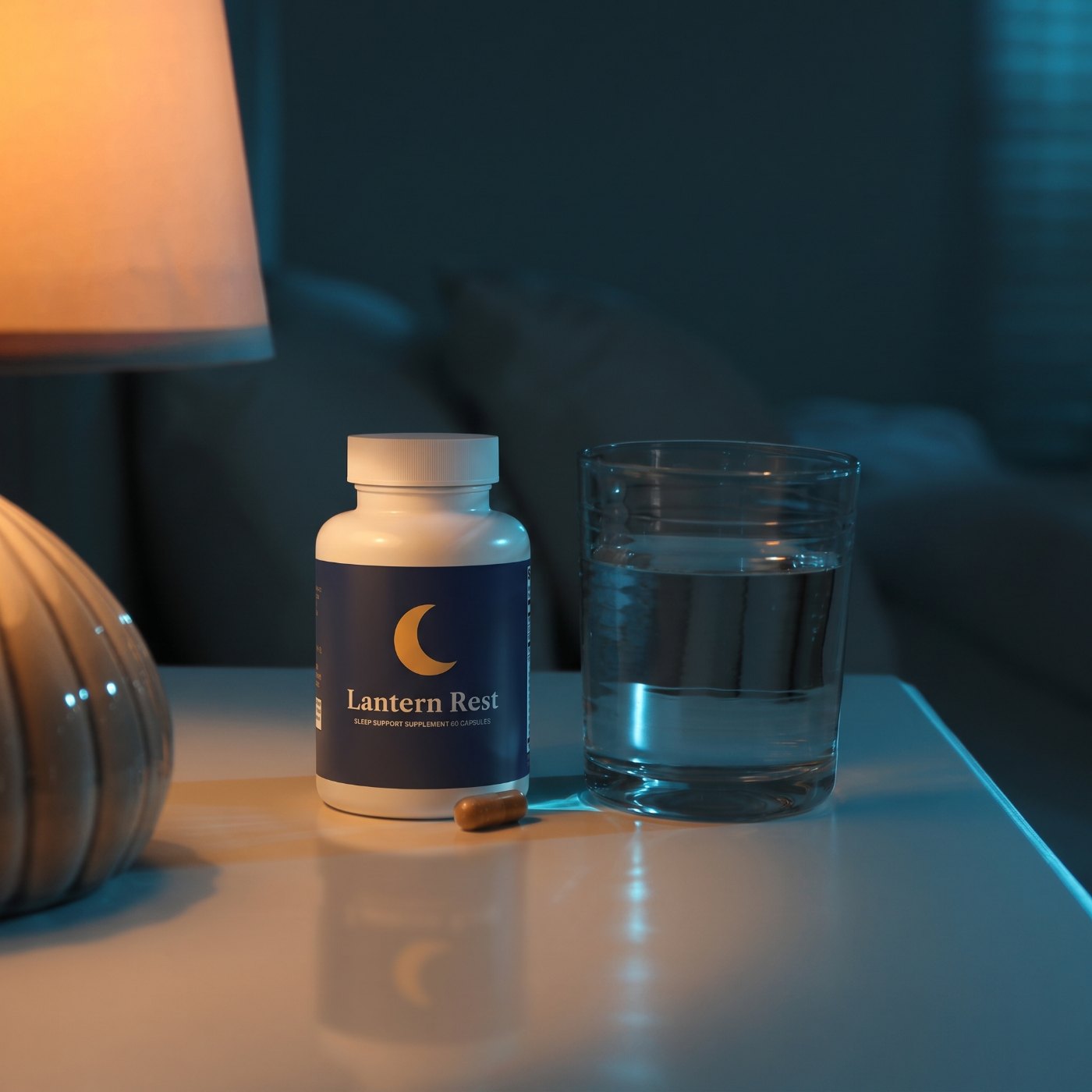





Stop Getting Up at 3. Stay Settled Instead.
Try Night Formula tonight.
Free shipping on multi-bottle orders
Compared with roughly $160 a month spent on wine. Per-night price based on a 30-night bottle.
Frequently Asked Questions
My back is fine all day. So is this even a back product?
No, and that's the point. It's a calming sleep formula, not a back treatment. It's aimed at the night side. It helps you settle and stay settled through the window when the tension builds, so you don't snap awake at 3. It does nothing for your back in the day, because your back is fine in the day.
Will it fix my back or let the muscle go?
No. Nothing you swallow reaches in and lets a muscle go, and I won't pretend it does. Its job is your nervous system. It helps you stay calm and settled instead of wired and alert while your body works through the night.
How is this different from melatonin or a sleeping pill?
Those get you out cold and say nothing about what wakes you up. The tension builds anyway, and you come to at 3, now groggy. This is built to help you stay settled through that window, not just knock you out at the start.
Is it habit-forming?
No. It's not a drug, and it doesn't build tolerance. Night one and night one hundred work the same way, and you stay in control of it.
Will I wake up groggy?
It's a calming formula, not a knockout pill. It's made to help you settle, not force you under. Most people say they wake up clear, not heavy.
What's in it?
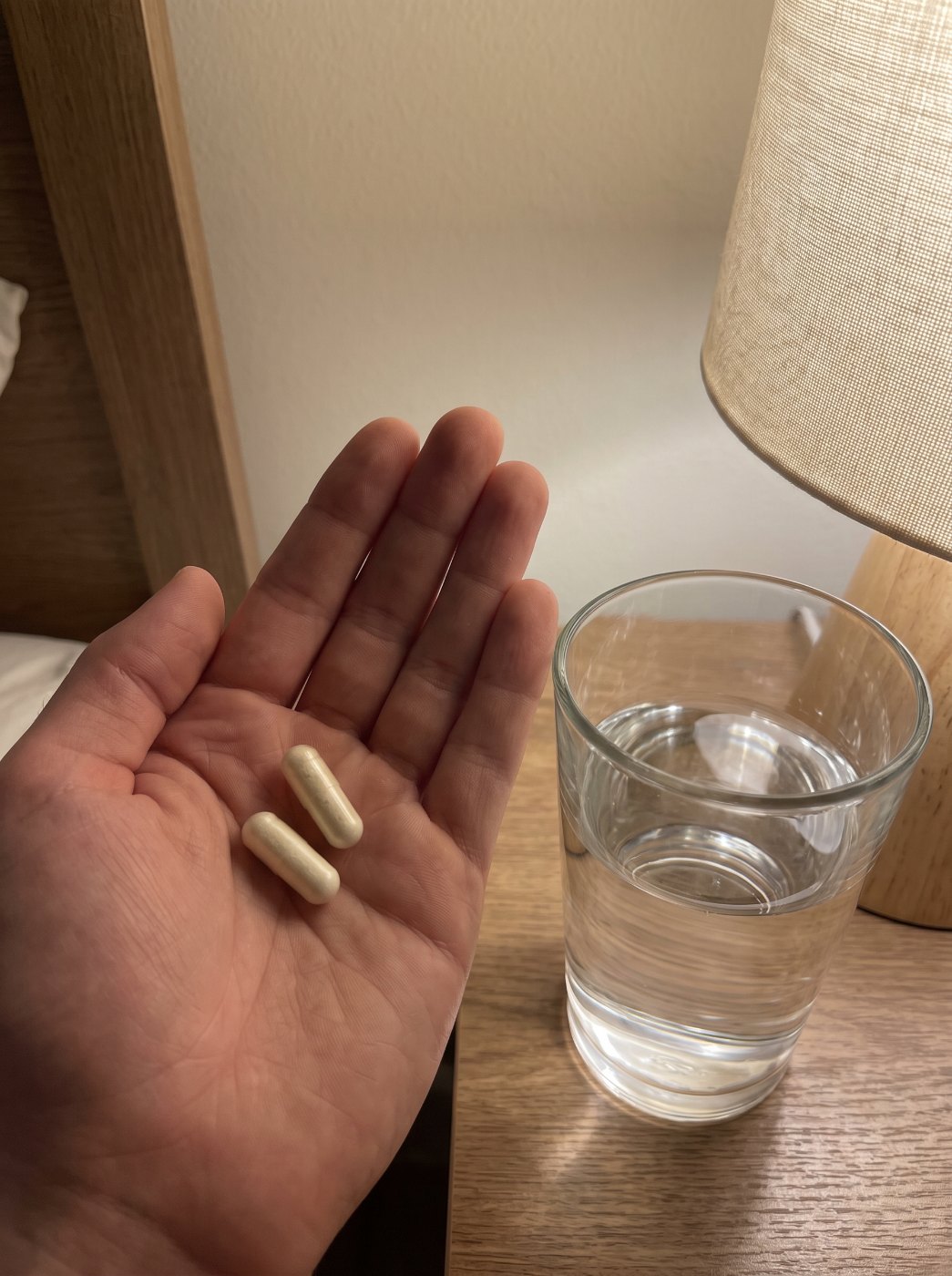
Valerian, passion flower, chamomile, and lemon balm. Magnesium, for its part in normal muscle and nerve function. A low dose of melatonin, to help set your clock.
I take medication. Is it safe for me?
Check with your doctor or pharmacist before you start any new supplement. That goes double if you take prescription meds or have a health condition. They know your situation.
How do I know if my pain is the "stillness" kind and not something worse?
Quick rule of thumb. Stillness pain is fine in the day, shows up when you lie still, and fades when you get up and move. Structural pain hurts when you move or load it, or in certain positions, and often in the day too. If yours is that second kind, or you're not sure, get it checked before you reach for anything.
How long before I notice something?
The wind-down usually shows up the first night. The bigger shift, staying settled through the 3am window, tends to build over the first week or two. No promises on an exact date. That depends on you.
Have a question we didn't cover? Reach out.
Customer Reviews
"I kept telling doctors my back was fine all day and only wrecked me at night. Nobody could explain it. This is the first thing that even matched what I was living. I take it before bed, and I've stopped getting up at 3 to pace the kitchen."
"I'm a skeptic. I'd bought two mattresses chasing this. What got me was them saying flat out that it won't fix your back, it just helps you stay settled through the night. That's what it's done. I settle in calm instead of bracing for 3am."
"Fine all day, then bad the second I laid still. I'd given up on figuring out why. I still get up some nights. But the wide-awake, done-till-morning thing has mostly stopped. First real change in a long time."